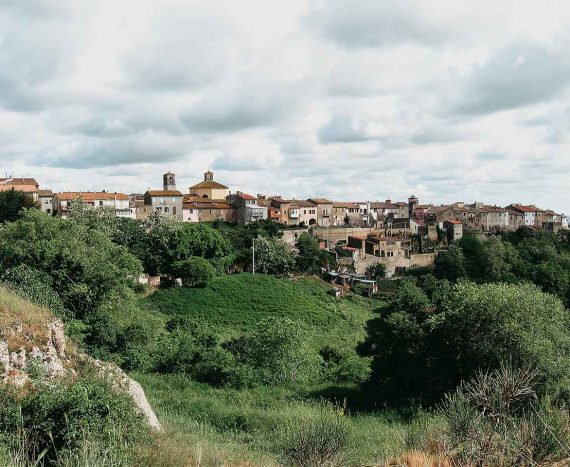
LATERA: THE “SNAIL-SHAPED” VILLAGE AMIDST HILLS AND VALLEYS
Latera is a village in the Tuscia region with a characteristic shape reminiscent of a snail. Perched on a hill, its fame comes from the
The largest tourist association in Tuscia: over 60 partners including municipalities, organizations, businesses, and associations.
A new reference point is born for discovering Tuscia Viterbese with its historical and natural heritage, as well as its folklore, culture, gastronomy, and craftsmanship: an accessible Tuscia that is closer to everyone, a section of the Via Francigena reorganized with over 60 entities united for the new DMO in central Italy.
It’s “La Francigena e le vie del gusto in Tuscia,” the largest DMO in Tuscia Viterbese along the Via Francigena, which offers new tourism ideas to experience and explore up close the entire microcosm of that area in Central Italy, a treasure trove of history and heritage that surrounds Viterbo, with its striking badlands, necropolises, pilgrim routes, and places of meditation.
Walking the Via Francigena, the Olive Oil Route, and the Bandits' Path offers the opportunity to discover the Tuscia region, experiencing slow and mindful tourism while getting to know the local food and wine products.
From this, the idea of starting with the "basket" - historically a container used by pilgrims to store and carry food - to redefine the tourist experience in Tuscia was born.
The Pilgrim's Basket is indeed a memorabilia container that accompanies the traveler during the journey, designed to store the local food and wine products and allow them to be taken home, all while celebrating the local artistic and cultural heritage.
Discover the products
Latera is a village in the Tuscia region with a characteristic shape reminiscent of a snail. Perched on a hill, its fame comes from the

Located on the Via Francigena, the village, with its modern urban planning, takes its name from the relocation of San Lorenzo alle Grotte to a

Canino is a small town in Tuscia located a few kilometers from the sea and at the border with Tuscany. Most likely, the origin of

Located on a tuffaceous rock shaped like a donkey’s back, Capranica extends between the Cimini Mountains and the Sabatini Hills, and is known as the

This small village in Tuscia, whose name refers to a “mountain of roses,” was an important strategic point due to its proximity to the Via

The village of Tuscania has ancient origins dating back to the Bronze Age. Famous for its wealth of archaeological sites, the most well-known and important